Thank you Volunteers!

Washington Community Circles, Inc. is holding a Volunteer Recognition Event on Monday, April 15, 2013 at Stoneridge Golf Club. This event will recognize the contributions and accomplishments of our volunteers who serve their communities and Washington County through participation in Sentencing Circles. The event celebrates 15 years of service to the Washington County community.

Who We Are

Washington County Community Circles, Inc. (WCCC, Inc.)

Community Circles, also known as Peacemaking Circles, are a community-directed process most commonly used for addressing issues surrounding local incidents of crime. Circles in Washington County are created in partnership with the justice system, and create a respectful space to support victims, develop sentencing agreements for offenders, and empower all interested community members to work toward preventing future occurrences of crime.

Cases brought to the Circles process go through several steps, including an application procedure that has been developed by Washington County volunteers. There can be separate Circles for victims and offenders, a Sentencing Circle to develop offender sentencing recommendations to be submitted to judges, and follow-up Circles to monitor the progress of offenders or to continue to support victims.

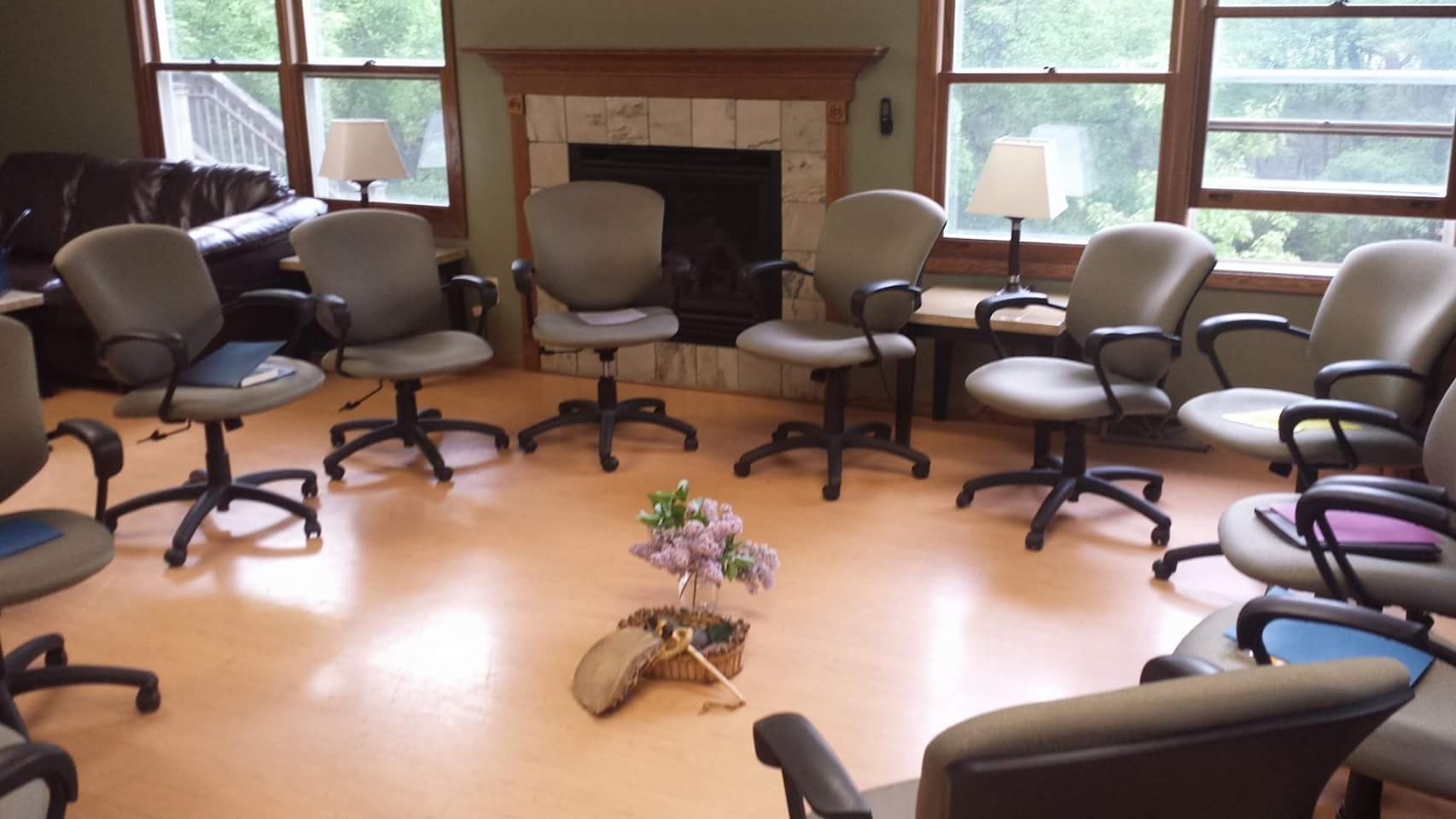
Circles derive their strength from community participation, and are facilitated by trained volunteers called Keepers. Keepers pass a talking piece to share speaking time in Circles. Strong community support results in lower recidivism of offenders who go through the Circles process.

Conflict Resolution

Community Circles have at times served communities by providing a forum for the discussion of difficult community issues, and helped facilitate action plans or dispute resolution. Examples of these include Circles with feuding family members to create understanding, Circles with local church members to resolve internal conflicts, and Circles with married couples to improve their communication.

Circles enhance community health by teaching all participants how to resolve conflicts in a manner where communities develop collective responsibility and assume ownership for making decisions regarding their own issues.